


Views: 0 Author: Site Editor Publish Time: 2026-03-20 Origin: Site


Biscuit production lines play a crucial role in the food manufacturing industry, allowing for the efficient and consistent production of biscuits at scale. These automated systems streamline the entire process, from mixing ingredients to shaping, baking, and packaging the final product. With the growing demand for various types of biscuits globally, these machines have become essential in meeting production goals while maintaining high quality. However, as with any industrial equipment, proper handling is vital to ensure that the machinery operates at its best. Safe operation of biscuit making machines is not only essential for protecting workers from potential hazards but also for optimizing the production process and prolonging the lifespan of the equipment. Following strict safety protocols ensures that operations run smoothly, reduces the risk of accidents, and guarantees the final products meet the required standards.
Before operating the biscuit making machine, it is crucial to conduct a thorough machine inspection. Ensure that the machine is clean and free from any leftover materials or debris. Inspect all components, such as belts, gears, and motors, to confirm they are in good working condition. If any parts are worn or damaged, replace them promptly to avoid malfunctions or breakdowns during production. Additionally, verify that the electrical and air supply systems are functioning properly, and make sure all safety devices, like emergency stop buttons, are operational.
Equally important is ensuring that all operators are properly trained. Training should cover the basic operations of the machine, such as starting, adjusting, and stopping the equipment, as well as troubleshooting minor issues. However, training should go beyond just the technical aspects; operators must be well-versed in safety precautions. This includes understanding the machine's safety features, recognizing potential hazards, and knowing emergency procedures. Proper operator training reduces the risk of accidents and ensures that the machine runs smoothly and efficiently.
As part of the preparation process, it's essential to enforce safety protocols across all operations. Ensure that all operators wear the appropriate protective gear, such as gloves, goggles, and non-slip footwear. All safety signs and labels should be visible and in place. Regularly review safety guidelines with staff, emphasizing the importance of following procedures and reporting any safety concerns immediately. Ensuring a safe working environment is key to both protecting the operators and ensuring the long-term, efficient operation of the machine.
Before starting the biscuit making machine, perform a comprehensive pre-operation check. Ensure that the power and air supply are stable and properly connected. Verify that all necessary ingredients, such as flour, sugar, and fats, are prepared and available in the correct amounts for the production process. Additionally, check the machine's components for any signs of wear or damage, and ensure that the emergency stop and safety devices are working correctly. This initial check helps to avoid any disruptions once the machine is running.
Once the pre-operation check is complete, adjust the machine settings according to the type of biscuits you are producing. This includes setting the correct baking temperature, production speed, and molding parameters. Different types of biscuits may require varying settings for optimal results. For example, soft biscuits may require a lower baking temperature and slower production speed, while crunchy biscuits may need higher heat and faster processing. Consult the machine’s manual for detailed instructions on making these adjustments to ensure the best quality product.
Begin the machine start-up procedure gradually. First, power on the machine and monitor its initial performance. Slowly adjust the settings to ensure that all systems are operating correctly. As the machine begins to run, check that there are no unusual noises, vibrations, or irregularities in the operation. Ensure that the dough is properly fed into the machine, and that the forming, baking, and cooling processes are functioning smoothly. By starting up slowly and monitoring the machine closely, you reduce the risk of operational issues.
While the machine is running, it is essential to continuously monitor its performance. Keep a close eye on the various stages of production, such as dough formation, baking, and packaging. Regularly check the temperature, speed, and other settings to ensure they remain within the desired parameters. Also, inspect the machine for any unusual behavior, such as jams, blockages, or irregular baking. Never leave the machine unattended for long periods, as this could lead to undetected malfunctions that may affect production or product quality.
Once production is complete, safely shut down the machine following the proper procedure. Turn off the power and air supply, and ensure all moving parts have stopped before beginning any cleaning. Carefully clean all parts of the machine, especially those that come into direct contact with food, to prevent any residue buildup that could affect hygiene or future batches. Check for any wear or damage during cleaning and perform necessary inspections. Regular cleaning and maintenance after each operation help maintain the machine’s efficiency and prolong its lifespan.
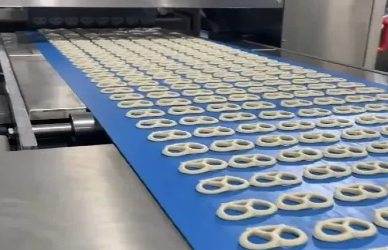
Operators should wear appropriate attire to avoid accidents. This includes non-loose clothing, durable gloves, and non-slip footwear. Goggles or face shields protect eyes from debris, and ear protection should be used if the machine generates high noise levels.
Operators must familiarize themselves with and follow the safety guidelines outlined in the machine’s manual. This includes understanding safety features like automatic shut-offs and sensors, which help prevent accidents and ensure smooth machine operation.
All operators should be trained on the correct use of the emergency stop button. It should be easily accessible and clearly marked. In case of malfunction or safety hazard, operators need to know how to quickly halt the machine to prevent injury or damage.
Biscuit making machines often operate under high temperatures and pressures. Operators should avoid direct contact with hot surfaces and ensure proper ventilation to prevent overheating. Always monitor pressure gauges and temperature controls to avoid dangerous spikes.
After finishing production, thoroughly clean the machine to prevent residue buildup, which could affect hygiene and the quality of future batches. Pay special attention to areas that come into direct contact with food, such as the mixing, molding, and baking sections. Use appropriate cleaning agents and tools to avoid damage to the machine's components. It is also important to clean any filters or air ducts that may have collected dust or food particles. Keeping the machine clean not only ensures better hygiene but also improves the overall efficiency and longevity of the equipment.
Regular maintenance is essential to prolong the lifespan of the machine. Inspect parts such as belts, gears, and motors for wear and tear, and replace them as needed. Lubricate moving parts to prevent friction and ensure smooth operation. Check all electrical connections and the air supply to ensure they are functioning correctly. Scheduled maintenance helps identify potential issues early, preventing costly breakdowns and ensuring efficient, long-term performance. Regularly updating machine software and replacing consumables, like seals and filters, can prevent disruptions in production and maintain optimal machine performance over time.
A1: Ensure the machine is clean, all parts are functional, and the correct ingredients are prepared. Check the power and air supply as well. Additionally, inspect safety features like emergency stop buttons and verify that they are working properly. This will help avoid any unforeseen issues during production.
A2: Adjust the temperature, speed, and shaping settings based on the specific type of biscuits being produced. Refer to the machine’s manual for guidance. For example, softer biscuits may require a lower temperature and slower speed, while crunchy ones may need higher temperatures and faster speeds. Always ensure settings are accurate for the desired outcome.
A3: Wear protective gloves, non-slip shoes, and avoid loose clothing. Ensure safety goggles and ear protection are used when necessary. In addition, make sure the work area is clear of obstacles, and all safety signs are visible. This ensures a safe environment and reduces the risk of accidents during operation.
A4: Turn off the machine, allow it to cool down, and clean all surfaces with appropriate cleaning agents. Avoid using abrasive tools that may damage the machine. Pay attention to food-contact areas and use non-toxic cleaners. Regular cleaning is essential to maintain hygiene, prevent contamination, and avoid mechanical wear.
Regular training and strict adherence to operating procedures are essential for ensuring the safe and efficient operation of a biscuit making machine. Operators must be continuously educated on the latest safety protocols and machine settings to prevent accidents and maximize production efficiency. It’s crucial for companies to foster a culture of collaboration between operators and management, ensuring that everyone understands their roles and responsibilities in maintaining a safe working environment. By working together, companies can not only protect their employees but also enhance the overall quality and consistency of the products, ultimately ensuring a smooth and productive production process.


