


Views: 0 Author: Site Editor Publish Time: 2026-03-10 Origin: Site


An automatic biscuit making line integrates a series of machines that work together to produce biscuits with minimal manual intervention. These automated lines significantly enhance production efficiency by reducing human error, ensuring uniformity, and speeding up the entire biscuit manufacturing process. With automation, businesses can scale production, reduce operational costs, and meet growing market demands.
In addition to the basic components of the line, the setup also involves proper installation, calibration, integration of control systems, and ongoing maintenance. This article will provide a comprehensive guide on setting up an automatic biscuit making machine line, from equipment selection to optimizing the workflow.
An automatic biscuit making line is composed of several key components that work in tandem to produce biscuits efficiently. The following sections will break down each of these components.
The dough mixing system is the first and one of the most critical components of a biscuit production line. This system ensures that the dough is mixed to the right consistency for biscuit production.
Consistency: The dough mixer ensures uniformity in the dough mix, which directly affects the texture and quality of the biscuits.
Precision: Automated systems allow precise control of ingredient ratios, mixing speed, and time to achieve optimal dough consistency.
Batch Size Control: Many systems are designed to handle large or small batches, depending on production requirements.
Once the dough is mixed, the next step is to shape and mold it into biscuit forms. This process is crucial for ensuring uniform size and shape for each biscuit, which is important for both quality control and packaging.
Rotary Molders: Often used for high-speed biscuit production, rotary molder machines can create various shapes of biscuits, from simple round biscuits to more intricate designs.
Depositors: Depositors are used to create biscuits by depositing measured amounts of dough on a baking tray. These are commonly used for cookies and other small biscuits.
Cutting Machines: These machines use knives to cut dough into uniform shapes and sizes before baking.
The baking oven is where the dough is transformed into crispy, golden biscuits. The oven's temperature and airflow need to be carefully controlled to ensure even baking, which impacts both the texture and taste of the biscuits.
Convection Ovens: These ovens use hot air circulated by fans to ensure uniform heat distribution throughout the baking process.
Radiant Ovens: These ovens use radiant heat for quicker baking and are often used for smaller batch sizes or specific types of biscuits.
Type of Oven | Advantages | Disadvantages |
Convection Oven | Even heat distribution, energy efficient | Slower baking times |
Radiant Oven | Faster baking, ideal for certain products | Less even heat distribution |
After baking, biscuits need to cool down before they are packaged to maintain texture and prevent condensation. A cooling system helps regulate the temperature of the biscuits and prepares them for packaging.
Air Cooling Systems: These systems use fans to cool biscuits evenly, reducing any moisture buildup and ensuring the biscuits remain crisp.
Conveyor Belt Cooling: Often integrated with the production line, conveyor belt cooling allows biscuits to cool as they move through the line.
The final step in the production line is packaging. Automatic biscuit packaging systems can wrap biscuits individually or in packs and label them. This system is designed to increase productivity while maintaining accuracy in portion sizes.
Flow Wrapping Machines: These machines wrap biscuits in plastic or foil, ensuring the products remain fresh.
Cartoning Machines: Cartoning machines can package multiple individual biscuit packs into a carton box, ready for shipping.
Setting up an automatic biscuit making machine line involves several critical steps that ensure the equipment works efficiently and produces high-quality biscuits.
Choosing the right site for setting up the biscuit making line is crucial for smooth operations. The layout of the factory will determine workflow efficiency, safety, and productivity.
Space Requirements: Ensure sufficient space for all machines, including room for movement, maintenance, and storage.
Proximity to Raw Materials: Choose a location close to ingredient suppliers to reduce transportation time and costs.
Utilities: Verify access to necessary utilities such as electricity, water, and gas.
After selecting the site, the next step is installing the equipment. Installation should be performed by experienced technicians to ensure all machines are properly set up and integrated.
Place Each Machine Correctly: Ensure all components are placed according to the factory layout to facilitate smooth workflow.
Connect Power and Air Supply: All machines must be connected to the power supply and air systems for operation.
Safety Checks: Conduct safety checks to ensure all machines meet operational and safety standards before use.
Automatic biscuit lines require sophisticated control systems to operate seamlessly. These systems integrate all machines into one workflow, allowing for real-time adjustments and monitoring.
Centralized Control Panel: Operators can monitor and control all machines from one location.
Automated Adjustment: The control system can automatically adjust machine settings based on the biscuit type being produced.
Real-Time Monitoring: Sensors monitor the temperature, speed, and other critical factors during production, providing real-time data for adjustments.
Before starting full-scale production, it's important to test and calibrate all equipment. This ensures that all machines are working correctly and producing biscuits that meet quality standards.
Run Test Batches: Conduct several test runs to check for consistency and quality.
Adjust Settings: Fine-tune machine settings for optimal biscuit texture, color, and size.
Monitor Production Flow: Ensure all machines are synchronized for continuous operation without bottlenecks.
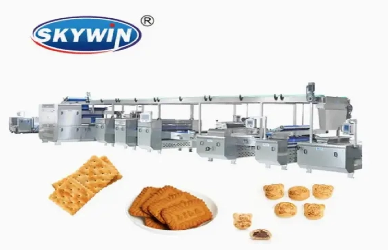
Once the biscuit making line is set up and running, it’s important to optimize production for maximum efficiency.
Energy costs can significantly impact the overall production cost. Implementing energy-efficient solutions in the biscuit making line can help reduce operating expenses.
Use High-Efficiency Motors: Choose energy-efficient motors that consume less power.
Optimize Oven Usage: Use ovens with proper insulation and efficient heating mechanisms to reduce energy wastage.
Regular Maintenance: Ensure regular maintenance of machines to keep them running at peak energy efficiency.
Automation is the key to achieving high production speeds while maintaining quality. Automated features help streamline operations and reduce human error.
Automatic Ingredient Dispensing: Accurate ingredient dispensing helps maintain consistent dough quality.
Automatic Monitoring Systems: These systems monitor machine performance and provide feedback for adjustments.
Data Collection and Analysis: Collecting production data helps optimize machine settings and reduce downtime.
Maintaining the machines regularly ensures they continue to run smoothly and reduces the risk of unexpected breakdowns.
Routine Inspections: Conduct regular inspections of all machine parts to identify wear and tear.
Lubrication: Regularly lubricate moving parts to prevent friction.
Troubleshooting Guidelines: Develop clear troubleshooting procedures to address common issues quickly and minimize downtime.
Proper training for operators and adherence to safety protocols are essential for ensuring smooth operations and maintaining a safe working environment.
Training operators is crucial to ensure they can safely and effectively use the automatic biscuit making machine line.
Machine Operation: Operators should be trained on how to start, adjust, and stop the machines.
Safety Measures: All operators must understand safety protocols to prevent accidents.
Troubleshooting: Operators should be equipped with basic troubleshooting skills to address minor issues.
Safety is paramount in any manufacturing setting, especially when dealing with automated machinery.
Wear Protective Gear: Operators must wear gloves, goggles, and non-slip footwear.
Emergency Procedures: Ensure that operators know how to use emergency stop buttons and what to do in case of a malfunction.
Regular Safety Audits: Conduct regular safety audits to ensure compliance with safety standards.
A1: Choose equipment based on the type of biscuits you want to produce, the scale of your operation, and the level of automation required. Consult with manufacturers for recommendations tailored to your needs.
A2: Yes, an automatic biscuit making line can fully automate the production process, from dough mixing to packaging. Automation reduces labor costs and ensures consistent quality.
A3: Quality can be ensured by calibrating machines correctly, maintaining consistent ingredient ratios, and regularly testing the produced biscuits for texture, flavor, and size.
A4: Regular maintenance tasks include cleaning the machines, inspecting moving parts for wear, lubricating components, and ensuring all electrical and air systems are functioning correctly.
Setting up an automatic biscuit making machine line requires careful planning, proper installation, and ongoing maintenance. By investing in the right equipment, training operators, and following safety protocols, businesses can optimize production efficiency, ensure consistent product quality, and reduce operational costs. Automation is a game-changer in the biscuit manufacturing industry, enabling companies to scale production while maintaining high standards of quality and safety.


